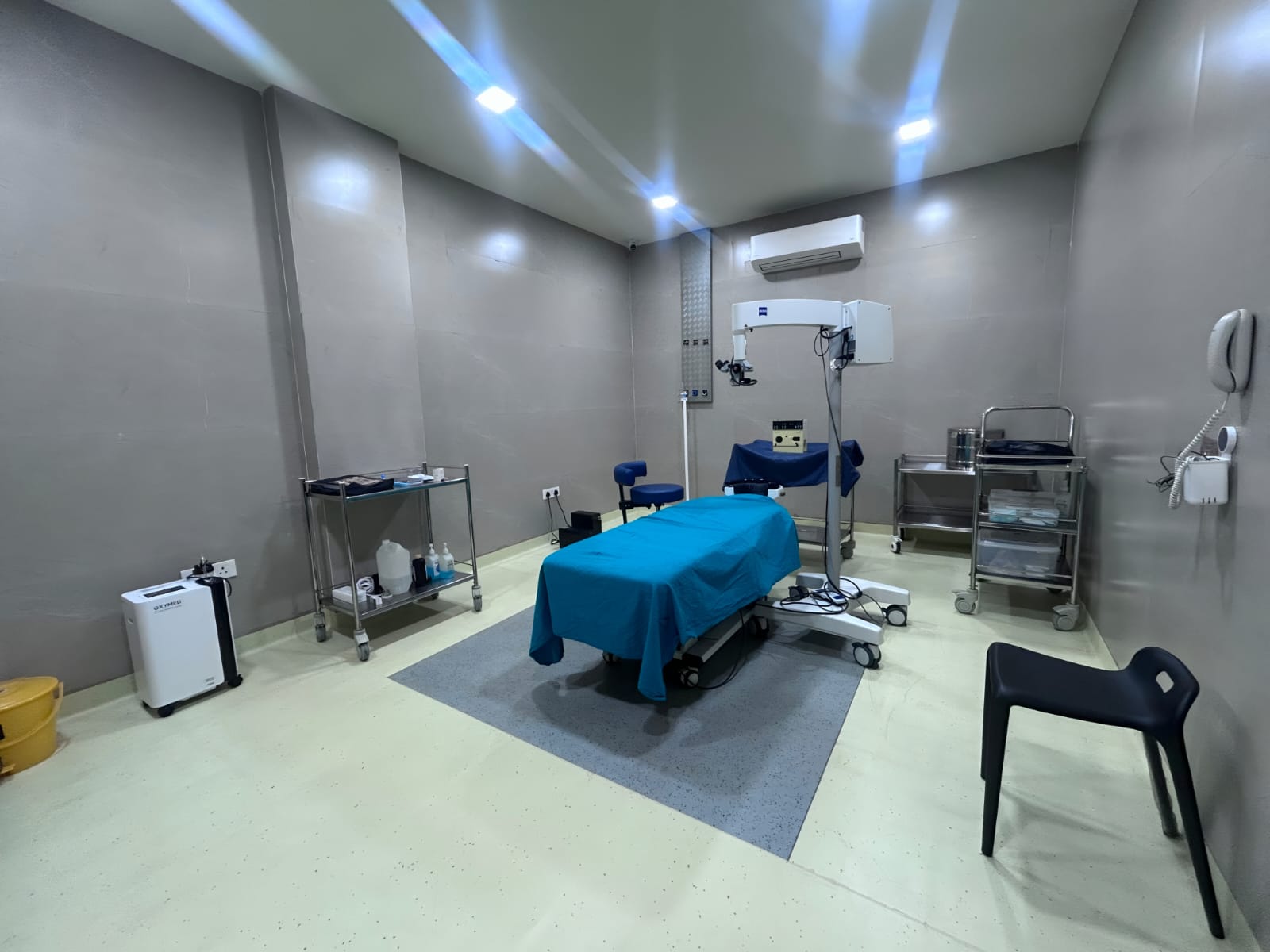
Cataract Surgery at Narang Netralaya Eye Hospital by Dr. Nitish Narang
At Narang Netralaya Eye Hospital, we believe clear vision is the foundation of a confident, independent life. With over 10 years of surgical experience and more than 16,000 successful cataract surgeries, Dr. Nitish Narang brings unmatched expertise and compassion to every patient.
Our centre is equipped with the latest international technology, ensuring painless, stitchless, bandageless and fast-recovery cataract surgeries for all age groups.
Why Choose Us for Cataract Surgery?
Highly Experienced Surgeon
Dr. Nitish Narang has performed 16,000+ cataract surgeries with consistently excellent outcomes.
Expertise in handling routine as well as complex cataracts, dense white cataracts, and high-risk cases.
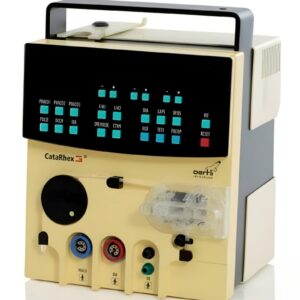
World-Class Swiss & German Technology
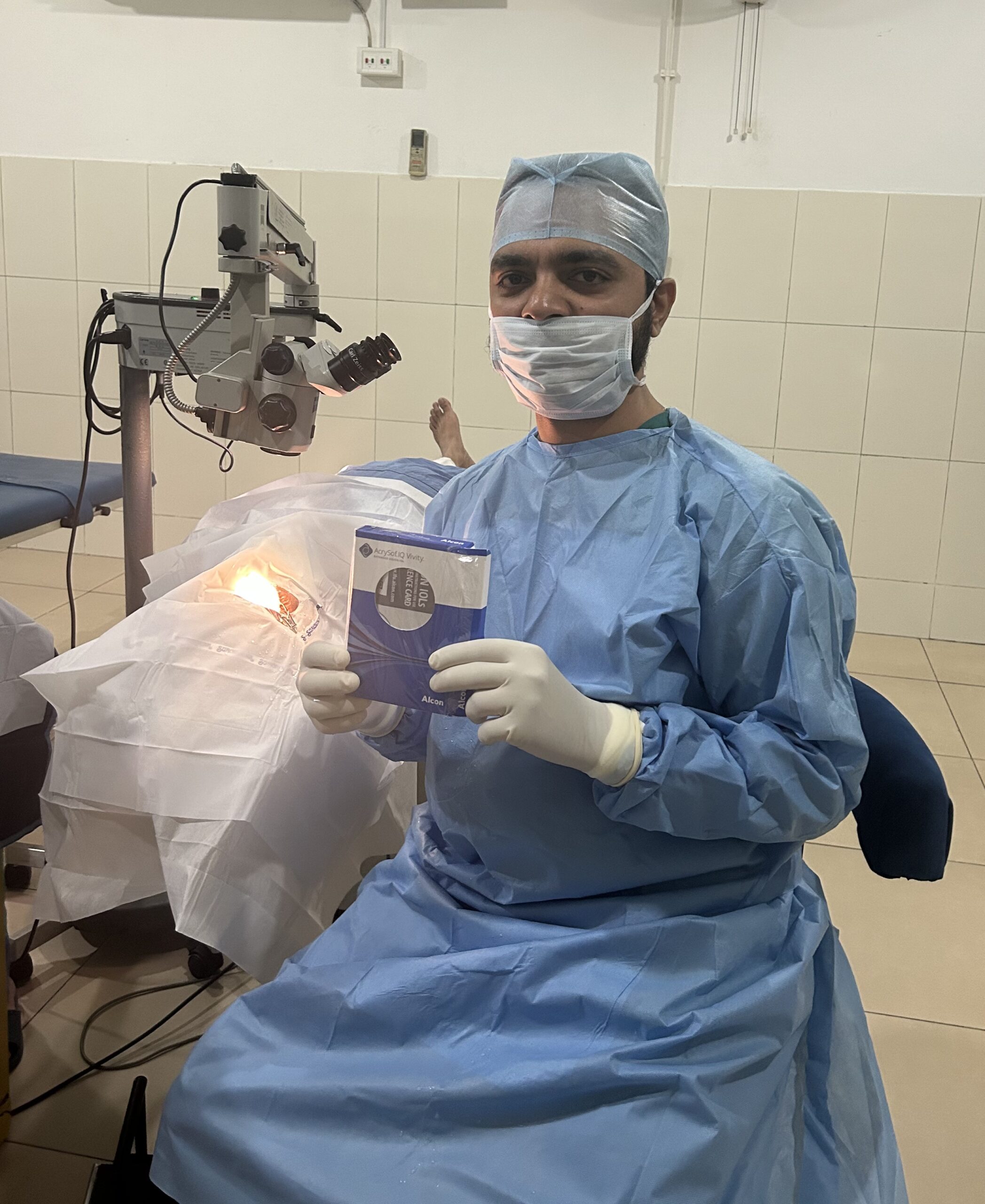
Swiss-made Oertli Phacoemulsification System
Ensures smooth, safe, and highly efficient cataract removal.
Reduced ultrasound energy → faster recovery, clearer post-op vision.
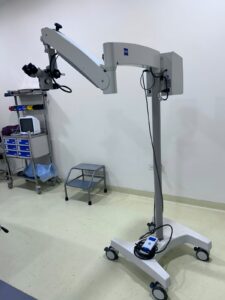
German Zeiss 1 FR Pro Operating Microscope
Provides crystal-clear microscopic visualization.
Enables unparalleled surgical precision for perfect placement of intraocular lenses (IOLs).
Micro-Incision, No-Injection, No-Stitch Surgery
Our advanced technique allows:
2.2–2.8 mm micro-incision
No stitches, no bandage
Painless procedure
Quick return to daily activities (often within 24–48 hours)
Premium Intraocular Lens (IOL) Options
We offer a full range of lenses, customized to your lifestyle:
- Monofocal IOLs – Clear distance vision
- Toric IOLs – Correct astigmatism
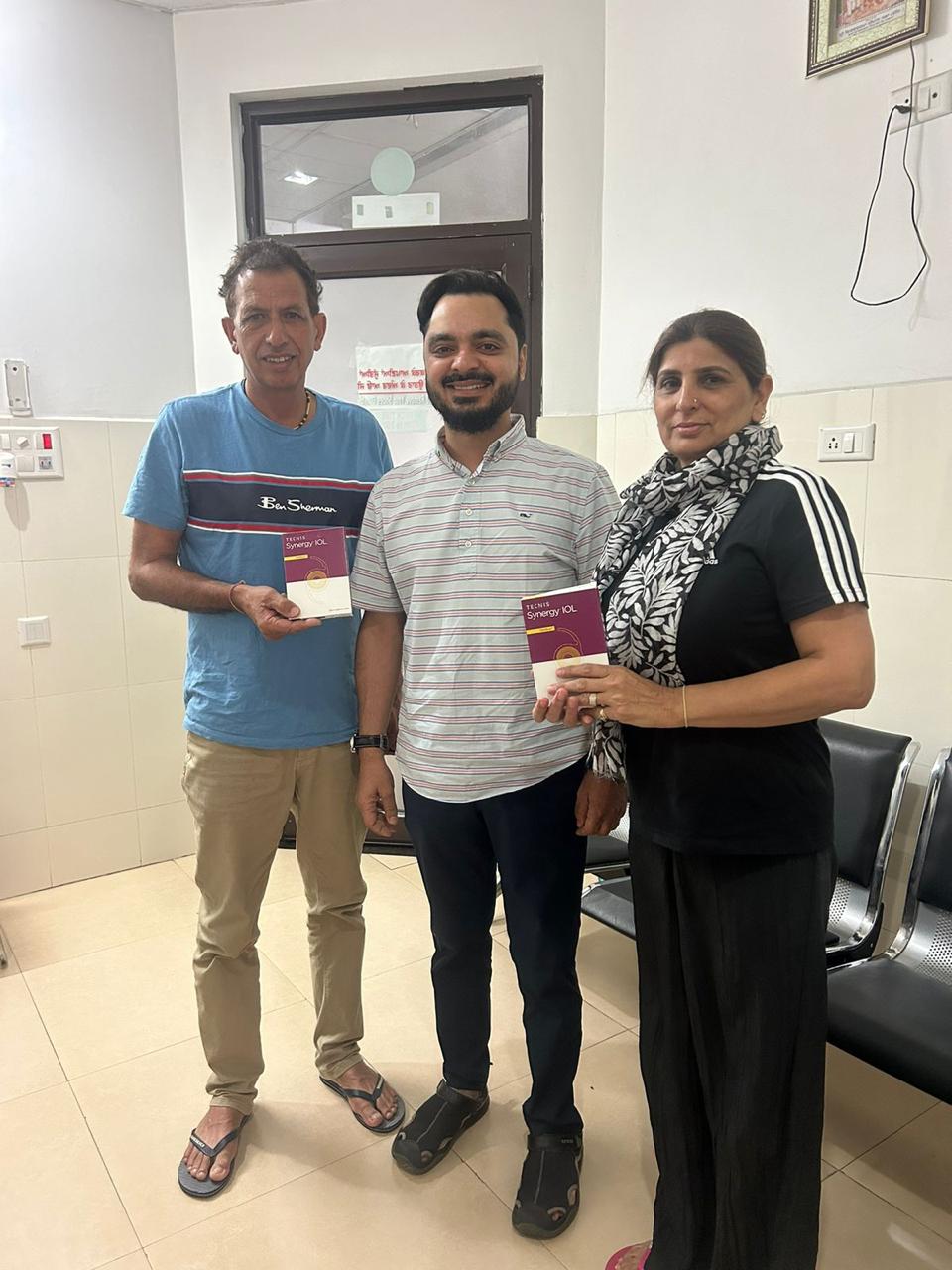
- Trifocal / Multifocal IOLs – See distance, intermediate & near without glasses
- EDOF (Extended Depth of Focus) – Wider range of vision with reduced glare
Each patient receives a personalized IOL plan after detailed evaluation.
Our Cataract Evaluation Includes
- Detailed slit-lamp examination
- Biometry (precise IOL power calculation)
- Retina evaluation
- Corneal topography (if needed)
- Counselling for the best lens choice based on age, lifestyle, and expectations
What to Expect on the Day of Surgery
- No need for hospital admission
- Quick, painless procedure (8–12 minutes in most cases)
- Discharge within 1–2 hours
- Easy post-operative care
- Follow-ups scheduled for optimal healing and satisfaction
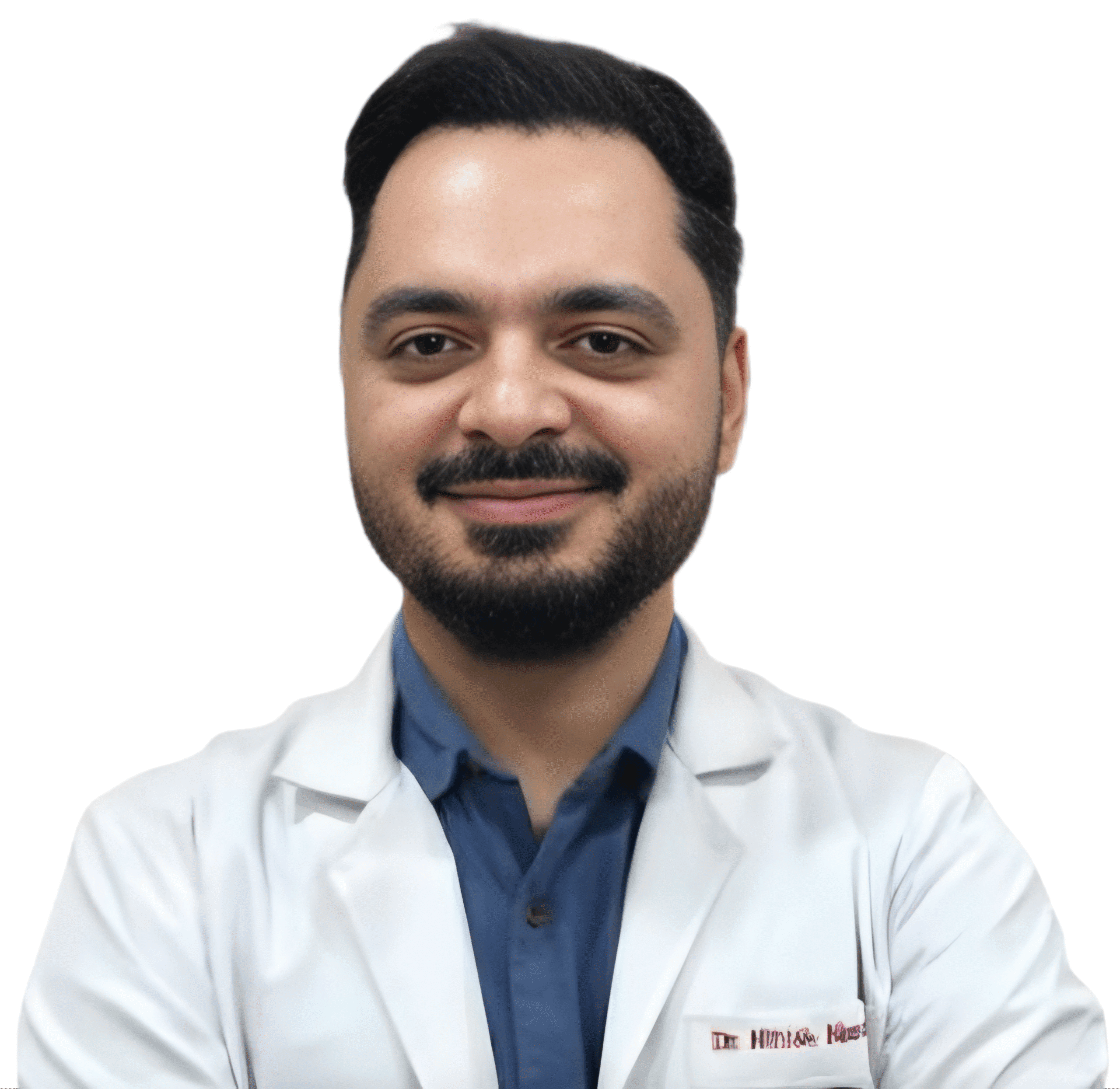
Dr. Nitish Narang
Meet Our Phaco Surgeon
Dr. Nitish Narang began his medical journey with an MBBS from Dayanand Medical College & Hospital (DMCH), followed by postgraduate training under RGUHS, where he developed a strong foundation in ophthalmology. He subsequently pursued specialized training through a Cornea Fellowship at BW Lions Eye Hospital, Bangalore, complemented by a short-term Phacoemulsification Fellowship at Solanki Eye Hospital, Bangalore, and a SICS Fellowship at Jagdambe Eye Hospital, Ganganagar.
Dr. Narang started his professional practice as a Consultant Eye Surgeon at Mata Amar Kaur Hospital, where he performed over 4,000 cataract surgeries in just two years. In 2017, he joined Vishwakarma Charitable Hospital, Phagwara, as a Consultant Ophthalmologist, a position he continues to serve with dedication. It was here that he refined and mastered the art of topical phacoemulsification(injection less/stitchless/bandageless cataract surgery), a technique he has been performing routinely since 2018!
He is often titled as “Topical Phaco expert committed to safe and comfortable eye surgery.”
Our Commitment
At Narang Netralaya Eye Hospital, we combine experience, ethics, and excellence.
Every patient receives:
- Honest advice
- Transparent pricing
- The safest surgical environment
- Compassionate care
Your vision is priceless — and we treat it that way.
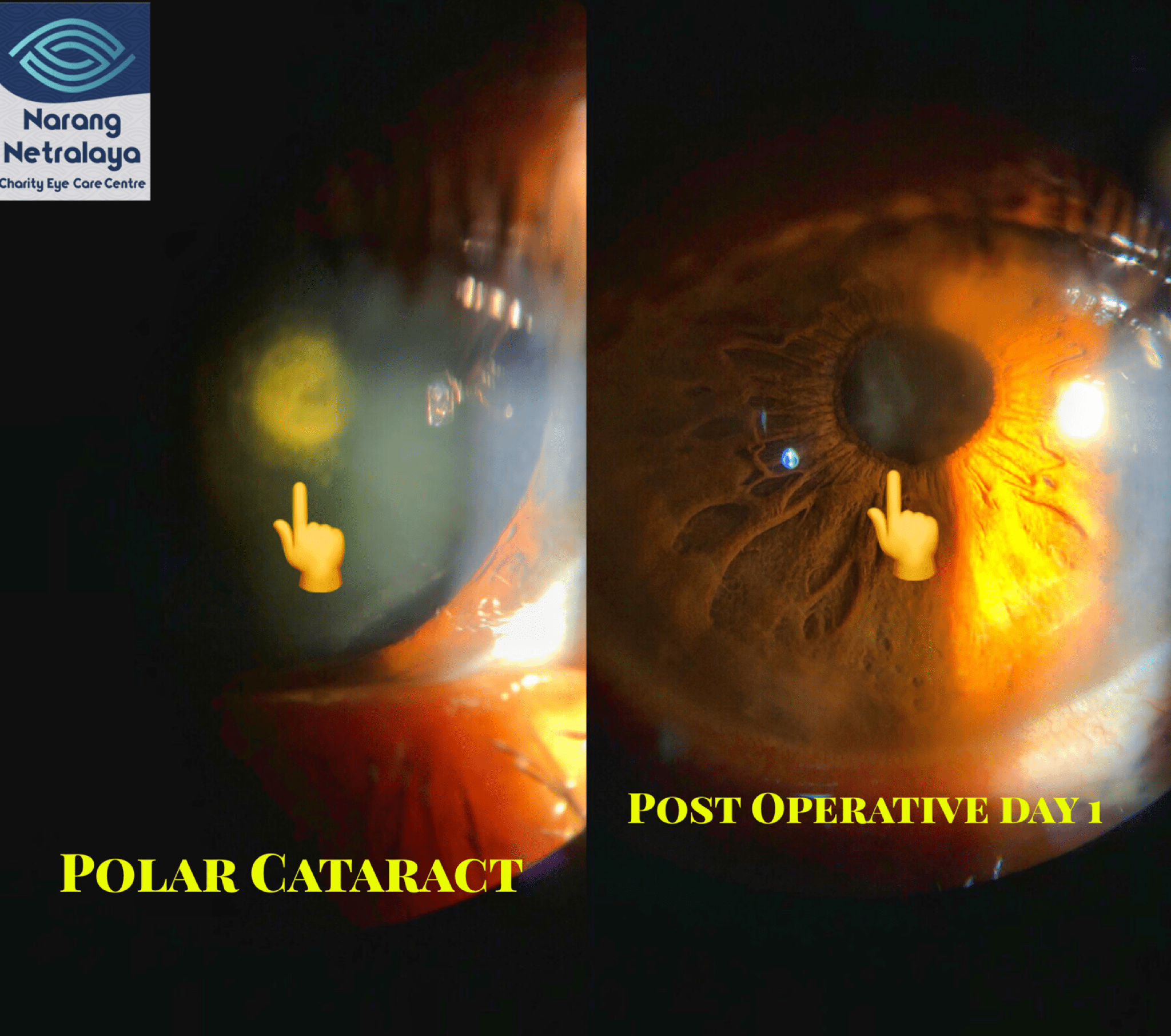
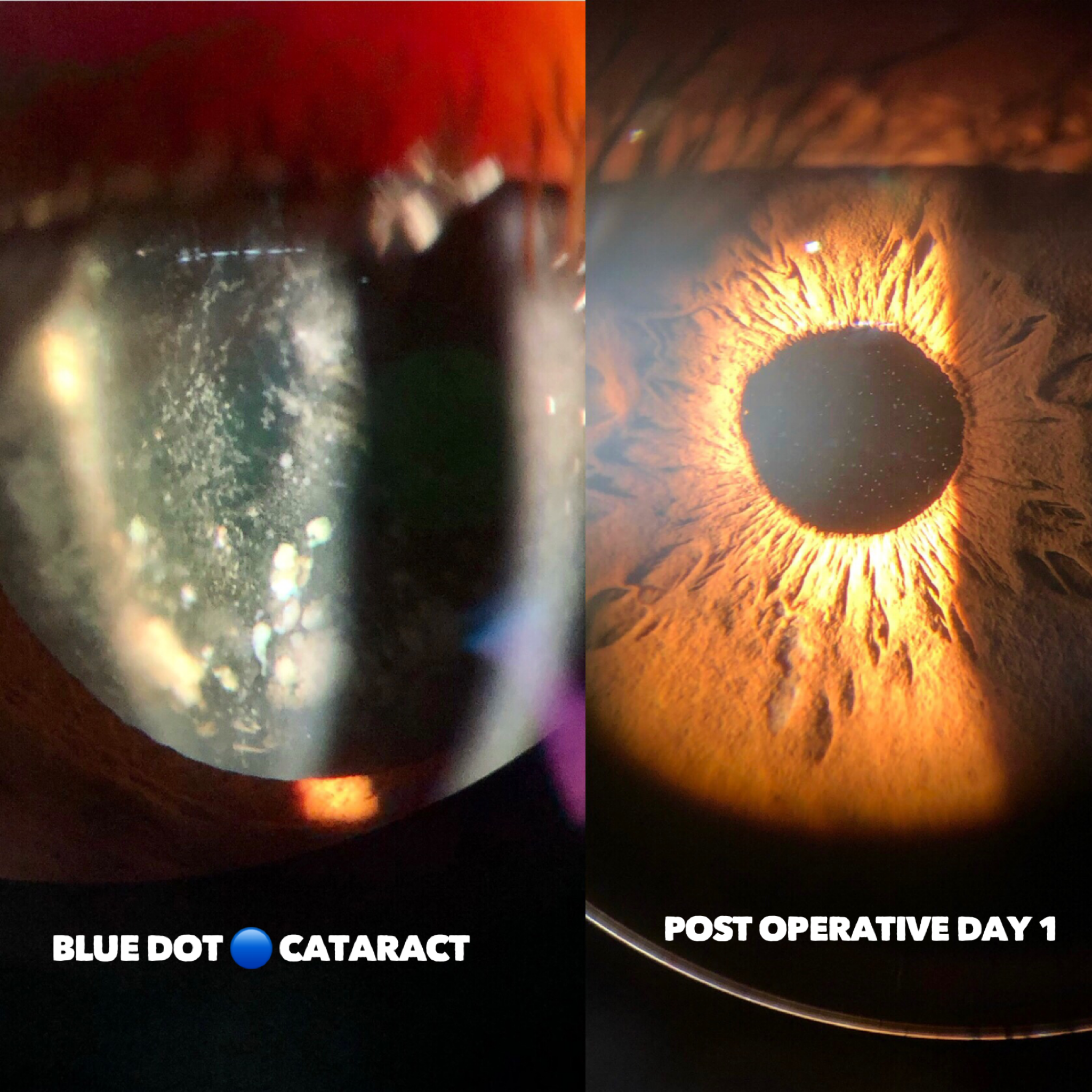
Frequently Asked Questions (FAQs) – Cataract Surgery
What is a cataract?
A cataract is the natural lens of the eye that becomes cloudy, causing blurred or dim vision. It usually happens with age but can also occur earlier due to injury, diabetes, or prolonged medication use.
When should I get cataract surgery?
You should consider surgery when:
Your vision starts affecting daily activities (driving, reading, night vision).
Glasses no longer improve clarity.
Doctor detects a visually significant cataract.
There is no need to wait until the cataract is “ripe.”
Is cataract surgery painful?
No. Cataract surgery is painless.
We use numbing eye drops and advanced micro-incision techniques that ensure comfort throughout the procedure.
How long does the surgery take?
The actual surgery takes 8–12 minutes in most cases.
You can go home within 1–2 hours of arrival.
Will I need stitches or injections?
No. At Narang Netralaya, we use micro-incision, stitchless, injection-free techniques.
How soon will I see clearly after surgery?
Most patients notice clearer vision within 24–48 hours, and it continues to improve over the next few days.
What type of lenses (IOLs) are available?
At Narang Netralaya Eye Hospital, we offer a full range of premium and standard intraocular lenses. Your lens is chosen after a detailed check-up based on your lifestyle, work needs, and eye condition.
🔹 A. Monofocal IOL (Standard Lens)
Gives clear distance vision.
You may need glasses for reading or near work.
Most economical and provides excellent clarity.
Best for:
Patients who don’t mind using reading glasses after surgery.
🔹 B. Toric IOL
Corrects astigmatism (cylinder power).
Provides sharper vision without the need for cylindrical glasses.
Available in monofocal, multifocal, and EDOF versions.
Best for:
Patients with high cylinder power wanting better clarity without glasses.
🔹 C. Multifocal IOL (Bifocal Lens)
Gives clear distance and near vision.
May cause slight glare/halos initially, which often reduce with time.
Great for people who want to reduce dependence on glasses.
Best for:
Patients who want glasses-free reading and distance vision.
🔹 D. Trifocal IOL (Advanced Premium Lens)
Provides distance, intermediate (computer), and near vision—all without glasses.
Designed for modern lifestyles using mobile, laptop, and outdoor activities.
Very high patient satisfaction.
Best for:
Patients who want maximum independence from glasses after cataract surgery.
🔹 E. EDOF IOL (Extended Depth of Focus Lenses)
New-generation lens offering a wider range of vision.
Gives excellent distance and intermediate (computer) vision.
Near vision is comfortable with mild or no spectacles.
Lesser halos/glare than multifocal lenses.
Best for:
Patients who want sharp computer and distance vision with minimum night-time glare.
🔹 F. Aspheric & Aberration-Free Lenses
Improve contrast, especially in low light and night driving.
Provide more natural, HD-like vision.
Best for:
Patients prioritizing night driving clarity or low-light performance.
🔹 G. Blue-Blocking / Yellow-Tinted Lenses
Reduce harmful blue light exposure from mobiles, screens, and sunlight.
Protect retina and may reduce glare.
Best for:
All patients — especially computer users.
Will I need glasses after surgery?
With trifocal, multifocal, or EDOF IOLs, most people can avoid glasses for daily activities.
With monofocal lenses, you may need glasses for reading.
Is cataract surgery safe?
Yes. It is one of the safest and most successful surgeries worldwide.
At our hospital, advanced Swiss Oertli phaco technology and German Zeiss microscopy ensure maximum safety and precision.
What precautions should I follow after surgery?
Do not rub the operated eye
Use prescribed drops regularly
Avoid water entering the eye for 3–4 days
Avoid heavy lifting or pressure for 1 week
Wear protective glasses outdoors
Can cataracts come back after surgery?
The cataract does not return, but sometimes a thin membrane behind the lens becomes cloudy months or years later.
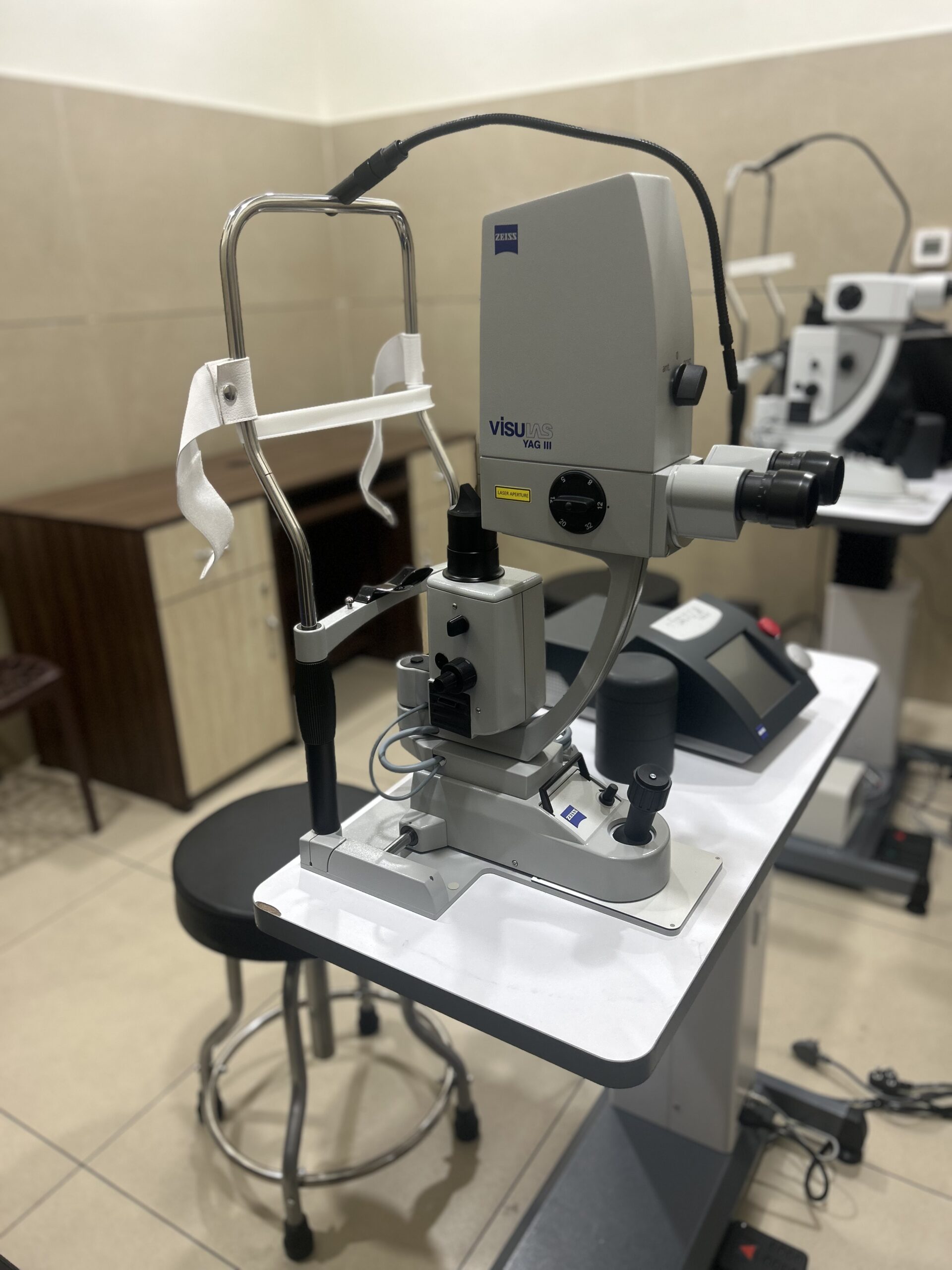
This is easily treated with a simple 2-minute laser (YAG laser) in the OPD.
Is both-eye surgery done on the same day?
Usually, we operate one eye at a time, with the second eye after a few days.
In select cases, same-day both-eye surgery may be possible after doctor evaluation.
What happens if cataract is not treated in time?
Untreated cataracts can lead to:
Severe vision loss
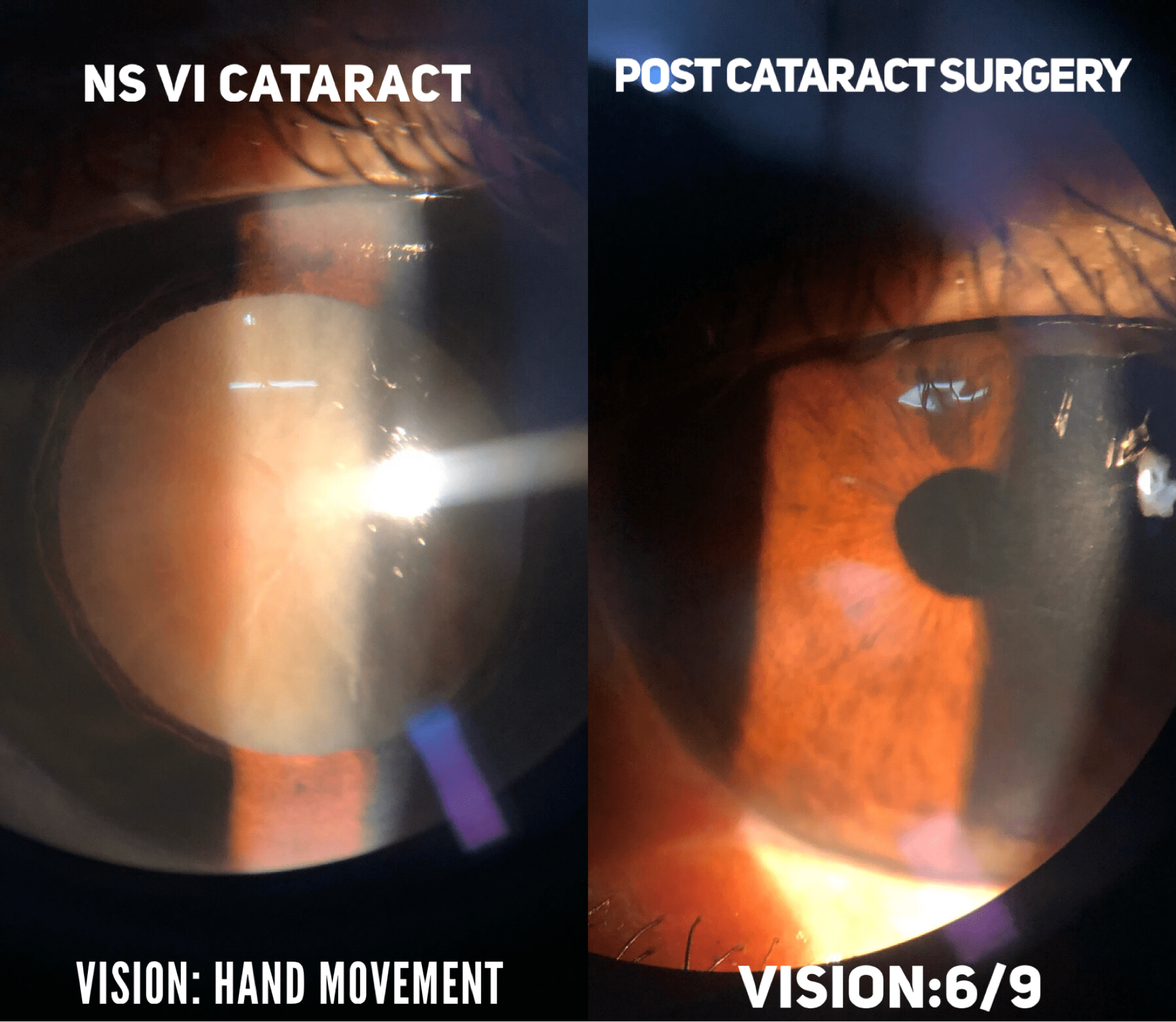
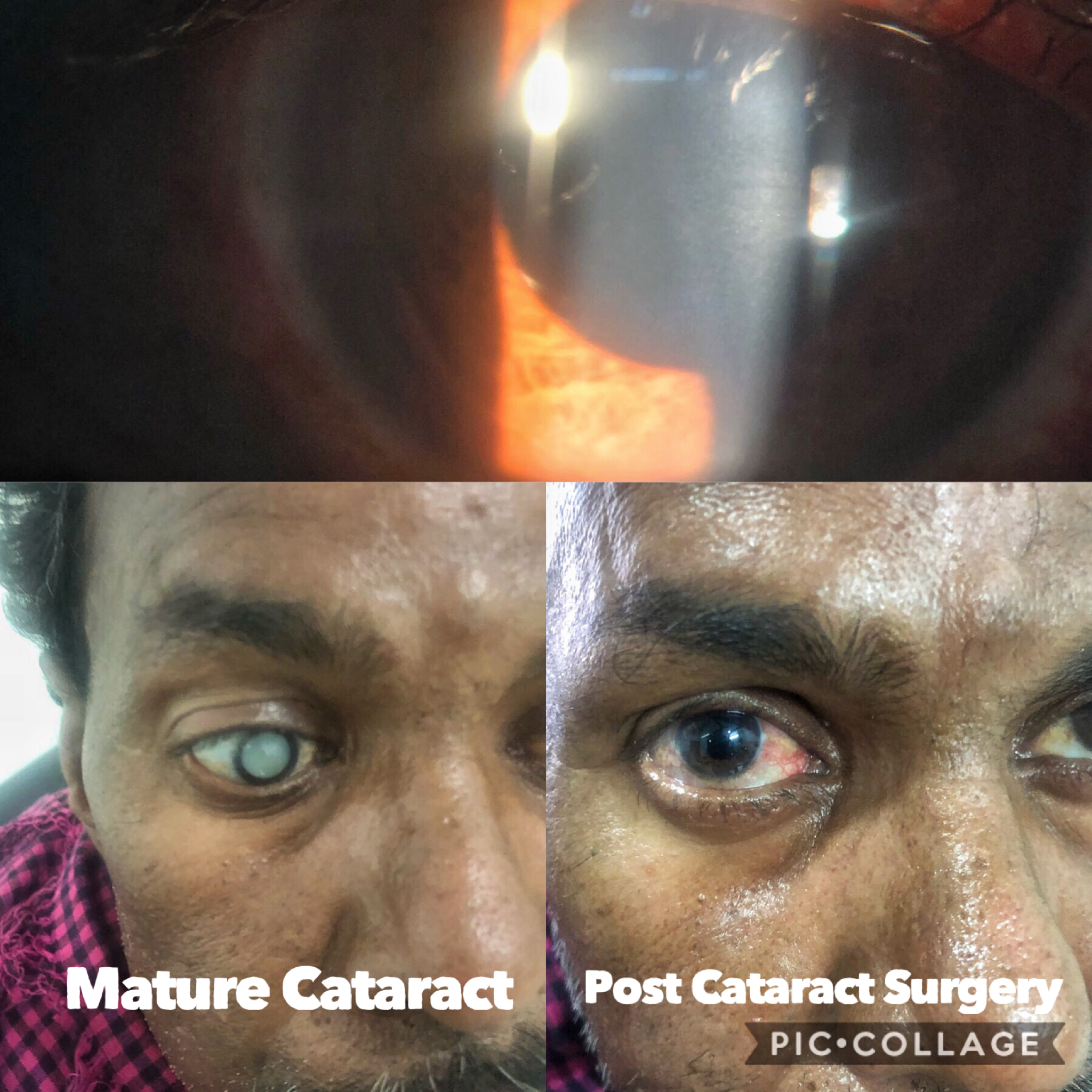
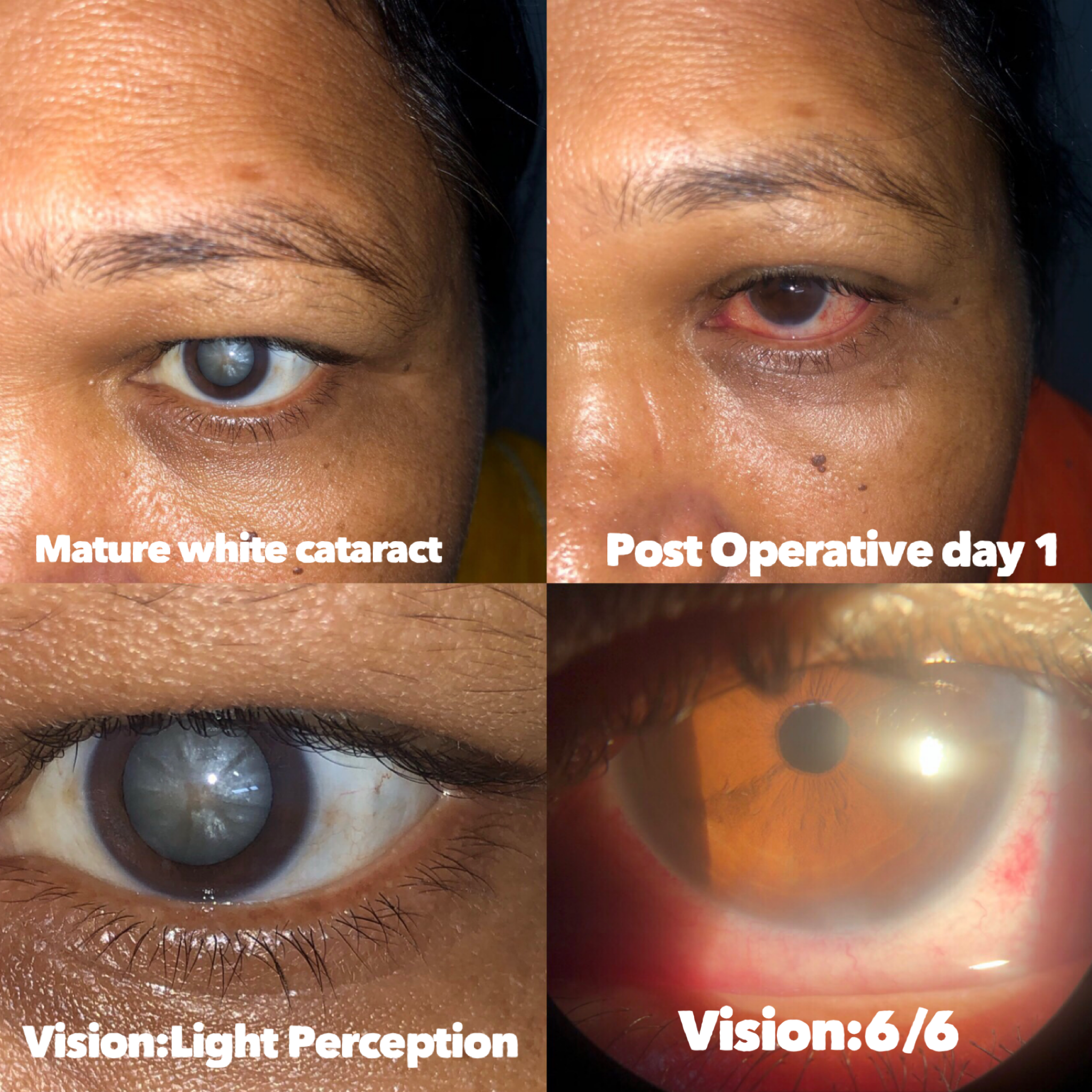
Hard (mature) cataract
Increased surgical risk
So timely surgery is always better.
How soon can I resume normal activities?
Mobile/TV: Same day
Bathing below neck: Same day
Driving: Usually after 3–4 days
Office work: 2–3 days
Heavy work/gym: After 2–3 weeks
Opening Hours

We dedicated to providing flexible & accessible healthcare services.
Narang Netralaya is one of Jalandhar’s most trusted eye care centres, offering advanced treatments with a patient-first approach.
- Visit Our Hospital 267, Mota Singh Nagar, Jalandhar, Punjab
- Contact Us +91 83600 84901