Cost of Cataract Surgery in Jalandhar
There’s a specific kind of stress that comes with a cataract diagnosis. Not just the medical side — the financial side. What does this cost? Will insurance help? Can I afford the better lens?
Here is everything. Upfront.
Type of Surgery & Cost Per Eye
| Basic Phaco + Monofocal Lens | ₹10,000 – ₹25,000 |
| Phaco + Multifocal IOL | ₹40,000 – ₹55,000 |
| Phaco + Trifocal IOL | ₹60,000 – ₹90,000 |
| Phaco + Toric IOL | ₹35,000 – ₹65,000 |
These numbers reflect what patients actually pay in Jalandhar — not what gets quoted in Delhi brochures, not what gets advertised and then quietly revised after investigations.
At Narang Netralaya, what Dr. Nitish Narang tells you at consultation is what you pay on surgery day. No surprises.
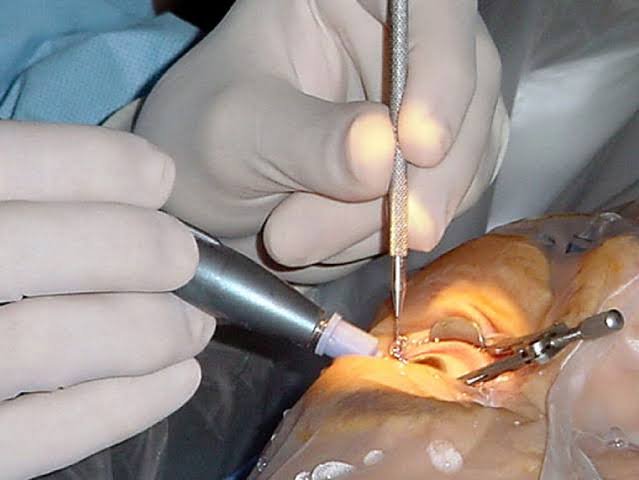
What Makes the Price Different for Every Patient?
Same city. Same hospital. Two patients. Different bills. Here is what actually drives that gap.
The lens goes inside your eye permanently. That one fact explains most of the cost difference. A basic monofocal lens — clear distance vision, reading glasses still needed — sits at the lower end. A trifocal lens — distance, screen, and reading all covered without glasses — costs significantly more. The lens is the main variable.
Then there is the cataract itself. An early straightforward cataract operates differently than one that has been sitting there for years getting denser. Dense mature cataracts take more time and more precision. That affects cost.
Astigmatism changes things too. Patients with cylindrical power who want to ditch glasses after surgery need a Toric IOL. Without it, the cataract goes but the cylinder stays. The toric lens costs more — but it handles both problems in one sitting.
And both eyes are always separate. Never same day. Two procedures, two bills, usually two to three weeks apart.
What Is Included in the Surgery Cost?
People often ask what the cost actually covers. Fair question.
At Narang Netralaya, the cost covers everything needed to get through surgery safely — the pre-surgical examination, the biometry scan that calculates your exact lens power, the procedure itself, OT charges, the lens going inside your eye, medications for recovery, and the follow-up visits afterward.
One thing it doesn’t cover automatically — if something else is going on in the same eye alongside the cataract. A retinal condition, glaucoma, anything like that gets looked at separately and discussed before any surgery date is fixed. No surprises.
Does Health Insurance Cover Cataract Surgery?
In many cases yes — and Narang Netralaya makes this easier than most hospitals in Jalandhar.
The hospital is empanelled with Care Health Insurance, SBI General, Aditya Birla Capital Health Insurance, TATA AIG, Medi Assist TPA, Magma General Insurance, and Genins India TPA. If your policy is with any of these, cashless cataract surgery is likely possible. The insurance desk at Narang Netralaya handles pre-authorisation — patients do not navigate that paperwork alone.
Three things worth knowing before assuming insurance covers everything. Standard monofocal cataract surgery — yes, most policies cover it. Premium lenses like trifocal or multifocal — almost never covered, that upgrade is paid separately. And many policies have a waiting period of one to four years specifically for cataract surgery. Check that date in your policy documents before your consultation.
Choosing the Right Lens — Monofocal, Multifocal or Trifocal?
This conversation takes longer than five minutes at Narang Netralaya. It should.
*Monofocal lens.* The workhorse. Does distance vision well. Reading still needs glasses. Most insurance policies cover it. Good fit for someone not bothered by reading glasses and wanting the simplest, most straightforward path forward. Phaco surgery cost in Jalandhar with monofocal starts from ₹15,000 per eye.
*Multifocal lens.* Distance and near both addressed. Glasses dependence drops significantly. Not every eye is a good candidate — pupil behaviour, corneal regularity, and lifestyle all factor in. Worth discussing seriously if glasses-free living matters to you.
*Trifocal lens.* The most complete option currently available. Distance, screen, and reading — all three distances covered without glasses. Higher upfront cost but the lowest chance of reaching for glasses afterward. Works best for active people who genuinely find glasses inconvenient in daily life.
*Toric lens.* For anyone with cylindrical power. Handles the cataract and astigmatism together in one procedure. Without it, even an expensive multifocal lens will not fully free a patient from glasses if significant cylinder remains uncorrected.
Dr. Nitish Narang does not push any particular lens. Twenty thousand cataract surgeries in — he has seen which lens works for which patient. He tells you what makes sense for your specific eye and your specific life. Not what earns the highest margin.
Experience Matters More Than Price
Some clinics in Jalandhar advertise very attractive numbers. That is fine — price matters and there is nothing wrong with comparing costs before deciding.
But think about what is actually happening during cataract surgery. A lens goes inside your eye and stays there for the rest of your life. A surgeon’s hands are inside your eye for fifteen minutes. Those two facts should weigh on the decision at least as much as the price.
Dr. Nitish Narang has performed over 20,000 cataract surgeries — a number that matters not because it looks impressive on paper but because it represents experience with complicated cataracts, unexpected situations, and judgment built over years of doing this. Dense mature cataracts that other surgeons refer out. Eyes with previous surgery. Patients who waited too long. He has seen all of it.
Premium lenses from established manufacturers behave predictably inside the eye over decades. Very low-cost surgery packages sometimes use lenses from less established sources. Your lens will be in your eye long after the surgery bill is forgotten.
And post-operative care is not an add-on. What happens in the days and weeks after surgery — the follow-ups, managing any inflammation, medication adjustments, checking that the lens has settled correctly — is part of the procedure. Not an afterthought.
Opening Hours
We dedicated to providing flexible & accessible healthcare services.
Narang Netralaya is one of Jalandhar’s most trusted eye care centres, offering advanced treatments with a patient-first approach.
- Visit Our Hospital 267, Mota Singh Nagar, Jalandhar, Punjab
- Contact Us +91 83600 84901