Lazy Eye Treatment in Jalandhar
A child can pass a school eye screening and still have lazy eye. The screening tests both eyes working together — it never shows what happens when each eye faces the world alone. So the child passes, the parents breathe easy, and the weaker eye keeps quietly falling behind.
Amblyopia is good at hiding. Children don’t flag it because they have nothing to compare it to. The strong eye covers so completely that nobody notices — not the child, not the parents, sometimes not the teacher sitting three feet away.
At Narang Netralaya in Jalandhar, lazy eye is one of the most regularly treated childhood conditions. Caught in time, most children do well.
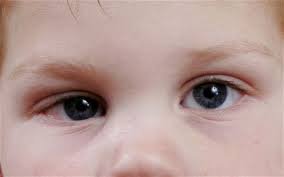
What Is Lazy Eye (Amblyopia)?
The name sets the wrong expectation. Parents come in imagining something visible — an eye that droops, drifts, obviously struggles. Often there is nothing to see. The eye looks normal, sits straight, opens like it should. The problem is happening somewhere the eye exam can’t show you directly — in how the brain handles the signal coming from that eye.
In the first years of life the brain is actively learning to see. Both eyes are supposed to contribute equally to that process. When one eye sends a consistently clearer picture than the other, the brain does the sensible thing — it relies on the better one. The weaker eye gets less and less practice. Its connection to the brain weakens.
What Causes Lazy Eye?
The most common starting point is a squint. When the eyes point in different directions, the brain receives two images it can’t combine. Rather than deal with the confusion, it picks one eye and tunes the other out. The eye that gets tuned out stops developing properly. Squint and lazy eye end up reinforcing each other — the longer one goes untreated, the worse the other gets.
A big prescription difference between the eyes causes amblyopia through a quieter route. Both eyes look straight, the child appears fine, nothing triggers alarm. But one eye is sending a blurry image and the brain, without any fuss, simply stops bothering with it. This is the type that gets missed most often — sometimes for years.
A droopy eyelid is a less common cause but a serious one. If the lid sits low enough to cover the pupil, the eye behind it can’t receive clear visual input. The brain doesn’t wait — if the signal isn’t there during the development window, it moves on without that eye. Even a partial droop, present consistently through infancy, is enough to set amblyopia in motion.
Signs and Symptoms of Lazy Eye
There’s usually nothing dramatic to spot. The child isn’t squinting dramatically or bumping into things. The strong eye covers the gap so well that parents, teachers, and the children themselves are often genuinely unaware. These are the more subtle signs that sometimes show up:
Poor vision in one eye — Caught early, most children do well. Leave it, and the outcome is a different conversation entirely.
Difficulty judging distances — missing when reaching for objects, seeming uncoordinated. Gets blamed on other things before anyone checks the eyes.
Head tilting — habitual head tilt to favour the stronger eye. Parents rarely connect it to vision.
Squinting or closing one eye — during reading, screen time, or bright light. The child is blocking out the blurry or confusing image from the weaker side.
Can Lazy Eye Be Treated?
Yes — and this is the question most parents ask first, usually with some urgency because they’ve read that treatment only works in young children.
That’s partly true. The visual system is most responsive to treatment during the early years of childhood — roughly up to age seven or eight, when the brain’s connections for vision are still flexible. Treatment started during this window gives the best outcomes. Many children achieve normal or near-normal vision in the affected eye.
What’s consistent across all ages is this: doing nothing guarantees the condition doesn’t improve. Starting treatment — even later than ideal — is always better than not starting at all.
Lazy Eye Treatment Options at Narang Netralaya
The first thing prescribed is almost always glasses.
Correcting the prescription — whether there’s a difference between the two eyes or a significant error in the weaker one — gives the brain a fighting chance to start using that eye again. In mild amblyopia, this sometimes does the job on its own. The brain gets a usable image from the weaker side and begins to engage with it.
Eye patching is the most well-known treatment and for good reason — it works. The stronger eye is covered for a prescribed number of hours each day, removing the brain’s easy option and forcing it to work with the weaker eye.
Atropine drops blur the stronger eye temporarily — same principle as patching, without the physical covering. Some families find this easier to manage day to day.
Vision therapy — structured exercises that improve how the brain processes images from the weaker eye. Used alongside glasses and patching when the two eyes aren’t working together even after individual vision has improved.
Why Early Treatment Is Important
The brain builds its visual pathways in the first several years of life — and this is when it’s most responsive to being redirected. Treat at four and you’re working with a brain that’s still laying down its visual wiring. Treat at ten and that wiring is largely set. Same treatment, very different results — not because the doctor or the patch changed, but because the brain’s willingness to change did. Earlier treatment works with development. Later treatment works against it.
Untreated amblyopia also carries long-term risk. An adult with one good eye and one amblyopic eye is in a vulnerable position if anything ever affects the good eye. The amblyopic eye can’t compensate. School performance suffers too — depth perception problems, reading fatigue, difficulty with close work. Treating lazy eye isn’t just about vision charts.
Why Choose Narang Netralaya for Lazy Eye Treatment?
A patch alone isn’t a treatment plan. The prescription needs adjusting as the child grows. Progress needs checking at regular intervals. When the vision plateaus, the approach needs to change. Families who come back consistently get better outcomes than those who patch at home and hope.
At Narang Netralaya, the underlying cause is treated alongside the amblyopia — not separately. Patching programmes are tailored individually. Families are given realistic expectations from the start.
Frequently Asked Questions
Q1. What is lazy eye?
Amblyopia — one eye develops weaker vision because the brain stopped using it properly during childhood. The eye looks normal. The problem is in the brain’s connection to it. Left untreated, that reduced vision carries into adulthood.
Q2: Can lazy eye be corrected permanently?
In children treated early, many achieve normal or near-normal vision that holds long term. Treatment needs to be completed properly. Adults can improve but full permanent correction is less predictable.
Q3: At what age should lazy eye be treated?
As early as possible. Most effective before age seven or eight. Older children still benefit. Even adults see some improvement. Early is better — but late is still better than nothing.
Q4: Is lazy eye treatment effective in adults?
Partially. The brain is less flexible in adults so gains are more limited. Full recovery is unlikely in adults with long-standing amblyopia. The brain has had years to settle into its habits and doesn’t rewire easily. That said, vision therapy can make a real difference to how the two eyes function as a pair — which affects daily life even when the individual vision in the weaker eye doesn’t fully recover.
Q5: How long does lazy eye treatment take?
Months, sometimes over a year. Mild cases in young children can respond within a few months. Severe or older cases take longer. Progress is reviewed regularly and the plan adjusted as vision responds.
Q6: Can squint cause lazy eye?
Yes — it’s one of the most common causes. The brain suppresses the turned eye to avoid double vision, and that suppression causes amblyopia over time. Treating the squint alone isn’t enough — the lazy eye needs its own plan.
Q7: Does every child with lazy eye need surgery?
No operation needed for the vast majority of children with lazy eye. Patching and glasses handle the amblyopia itself. Surgery is only relevant when the root cause — a persistent squint or a drooping lid — can’t be managed any other way. Those are separate problems requiring separate solutions.
Opening Hours
Monday
10 AM - 2 PM & 4 PM - 8 PM
Tuesday
10 AM - 2 PM & 4 PM - 8 PM
Wednesday
10 AM - 2 PM & 4 PM - 8 PM
Thursday
10 AM - 2 PM & 4 PM - 8 PM
Friday
10 AM - 2 PM & 4 PM - 8 PM
Saturday
10 AM - 2 PM & 4 PM - 8 PM
Sunday
CLOSED

We dedicated to providing flexible & accessible healthcare services.
Monday
10 AM - 2 PM & 4 PM - 8 PM
Tuesday
10 AM - 2 PM & 4 PM - 8 PM
Wednesday
10 AM - 2 PM & 4 PM - 8 PM
Thursday
10 AM - 2 PM & 4 PM - 8 PM
Friday
10 AM - 2 PM & 4 PM - 8 PM
Saturday
10 AM - 2 PM & 4 PM - 8 PM
Sunday
CLOSED
Narang Netralaya is one of Jalandhar’s most trusted eye care centres, offering advanced treatments with a patient-first approach.
- Visit Our Hospital 267, Mota Singh Nagar, Jalandhar, Punjab
- Contact Us +91 83600 84901
Vision
CATARACT
Retina
CORNEA
PEDIATRIC
GLAUCOMA
ICL
LASER
Vision
CATARACT
Retina
CORNEA
PEDIATRIC
GLAUCOMA
ICL
LASER